

You finish the session, hit upload, and walk away. By the time you're back from the kitchen, your campaign newspaper is sitting in the dashboard. What you might not realize: that newspaper wasn't written by one AI scribe. Inside it, there are usually multiple bylines, one for each writer who found something worth saying about your night.
This is just one feature Tavern Scribe offers, but it's a memorable one. Ten distinct AI writers, each with a different voice, a different angle, and a different idea of what counts as "the story." When you process a session, all ten read the transcript. Any writer who finds material that fits their style publishes an article in the newspaper. One newspaper, multiple bylines. Some sessions come back with a single article from one writer. Others have three or four articles covering the same evening from completely different angles.
This post is the full roster. Worth a read whether you're new to Tavern Scribe or you've been getting newspapers for a while and want to understand why some writers keep showing up at your table and others don't.
How the writer roster actually works
Every Tavern Scribe session passes through all ten writers automatically. They each read the same transcript. Each writer evaluates whether your session gave them anything to write about. If yes, they publish. If no, they sit out.
There's no toggle. No preference panel. You don't pick a writer, and you don't swap one out. The mix you see for any given session is the mix that actually had something to say about it.
Three things to know before the roster:
- The same dice roll reads differently in different articles. A natural 1 covered by the Roastmaster lands as a comedy bit. The same roll covered by Xavier Cross gets a tactical breakdown. From Stephen Optimist it becomes "a learning moment." Same fact, different lens, different bylines in the same newspaper.
- Voice changes length. Roastmaster pieces tend to run tight (the joke wants to land). Sebastian Versecraft and Alexandria Blackwood lean longer because the prose itself is the point.
- All ten ship with every account. No premium writer tier. The writers run on whichever scribe processing tier you picked (Goblin, Human, or Elven). Quality scales with the tier; voices stay the same.
If a session went unusually quiet for a writer who normally fires for your table, you can re-process it. Different transcript context sometimes brings different writers in.
The roster
What follows is each writer in roughly the order most DMs end up meeting them: the loudest voices first, the more specialised ones last.

The Roastmaster General
Comic takedowns. Brutal one-liners. Lives for the moment your party rolls a 4 on a Persuasion check and decides to double down anyway. The Roastmaster fires on more sessions than any other writer because chaos is universal.
A Roastmaster opener might read like:
“In a stunning display of tactical confusion, the party once again proved that ‘plan’ is a word they only use ironically.”
If your group thrives on laughing at itself, this is the writer that turns Friday night into Saturday’s group chat.

Hiro Dom
Your party’s biggest fan. Treats every session like the most legendary thing ever filmed. Defends your characters against any criticism the dice happen to hand out. Hiro fires on heroic moments: clutch saves, big crits, the kind of finale that deserves a slow-mo replay.
The opposite of the Roastmaster, which is why both can fire on the same session and you’ll see their two articles in the same newspaper read like they’re covering different parties.
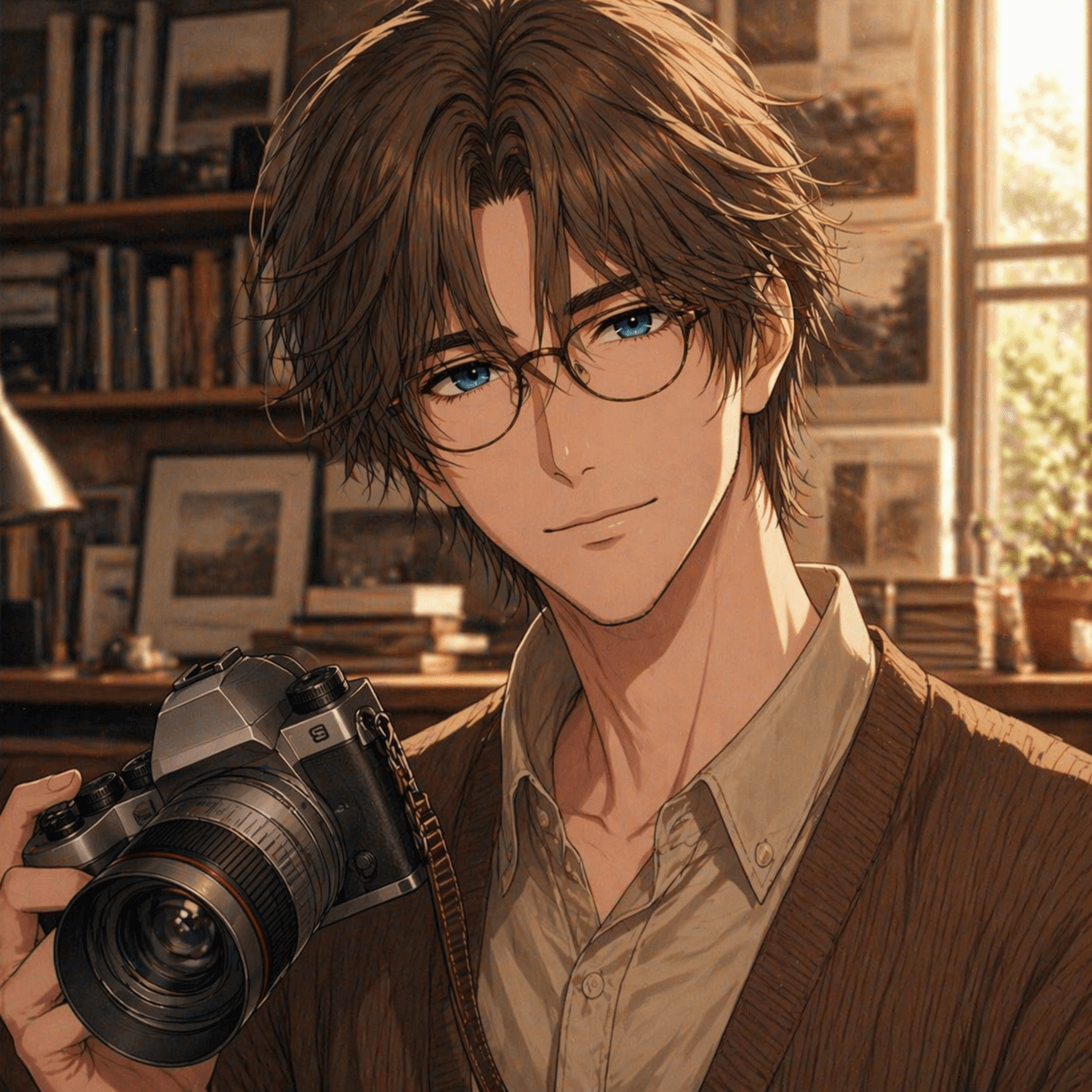
Stephen Optimist
Hopeful dispatches and silver linings, even when there clearly aren’t any. Total party wipe? “An exciting opportunity for creative problem-solving.” The bard’s solo character moment derailed into a brawl? “What a thrilling test of social resilience.” Stephen finds the upside in everything, and the contrast between what actually happened and how he covers it is half the joke.
Most useful when your campaign just had a rough one and the table needs the version where everyone’s actually fine.

Jasmine Sterling
The society pages. Catches every stolen glance, every whispered grievance, every time two PCs exchange a look that meant something. Jasmine fires when the night was less about combat and more about who said what to whom and what it implied about everything else.
If your campaign features court intrigue, romance subplots, faction politics, or just a lot of party drama, you’ll see her name on the byline often.
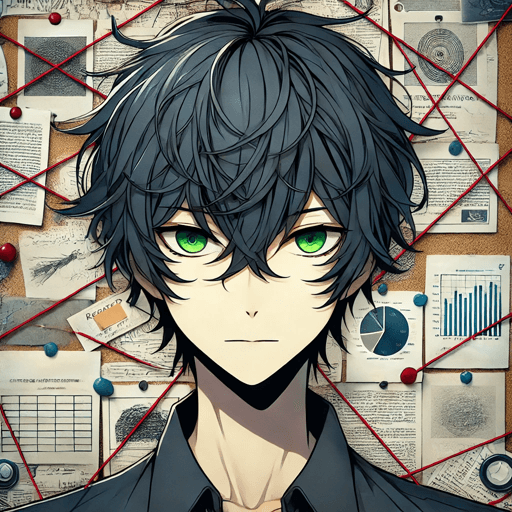
Xavier Cross
Combat correspondent. Embedded with your party. Breaks down every fight: which formations held, which spell choices proved decisive, which initiative orders made the difference, which decision in round three is the reason the cleric is now down to one HP.
Xavier respects combat as a craft and writes for groups that do too. If your table preps tactics, talks initiative for ten minutes before round one, and cares about the difference between cover and concealment, this is your regular voice.
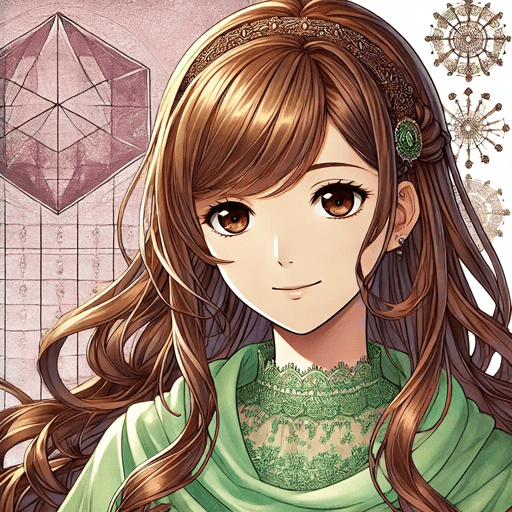
Alexandria Blackwood
Dark fantasy. Long-form mystery. Alexandria reads sessions for what’s underneath them: symbolic patterns, ancient hooks, occult subtext your party probably missed. She writes in the prose of a gothic novel and rewards DMs running campaigns where the lore matters more than the loot.
A campaign of dungeon-runs won’t surface her much. A campaign about cults, prophecies, dreams, or the slow horror of realizing what’s actually been happening under the city? She’ll be a regular.

Sebastian Versecraft
The bard at the table. Sebastian transforms session events into prose that reads like literary fiction. Battles become ballads. Emotional turning points get the poetic framing they deserve.
The most “literary” writer in the roster, and the one most likely to surprise you with a line that genuinely lands. Best on dramatic arcs, character-driven moments, finales, and any session where the speech the rogue gave actually mattered.
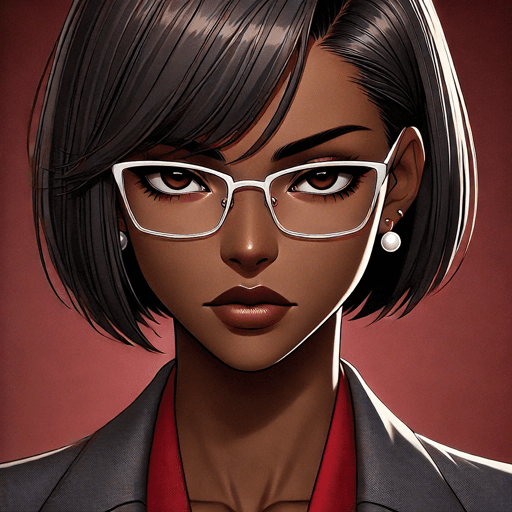
Margaret Steele Thompson
Margaret writes like the evening news from the capital. Power shifts, factional realignments, diplomatic consequences, the broader-realm aftermath of whatever your party just did. The recap that puts your session’s events into the bigger geopolitical picture.
If your campaign features kingdoms, councils, factions, or anything resembling a political map, Margaret is the voice that explains what your party’s actions cost the wider world. She pairs naturally with Jasmine Sterling on sessions where the politics got personal.

Marina Spice Santos
Entertainment desk. Vibes-heavy. Marina writes like a glossy magazine: which NPCs are people talking about, which character moments are the talk of the town, which scenes hit hardest emotionally. She captures the feel of a session even when the plot didn’t move.
Strongest on sessions where the tavern scene was the real story. Quietest on hex-crawls.

River Greene
The nature correspondent. River reports from the edges of the map: the flora the party crossed, the creatures they encountered, the environmental fallout from whatever they decided to set on fire.
A grounded, calm voice. Strongest on exploration, druidic campaigns, hexcrawls, and any travel-heavy arc. If your party rarely leaves the city, River will be quiet. If your last session was three days riding through unfamiliar woodland, you’ll see her name on the byline.
Why the lineup shifts session to session
This is the part most DMs don't expect: the roster of who fires on a given session tells you something about what your party actually did at the table.
A comedy-heavy night full of bad rolls? The Roastmaster is almost guaranteed. Stephen Optimist often joins for contrast. A two-hour battle that hinged on tactical positioning? Xavier Cross will be there. A long political negotiation that ended with three new alliances? Margaret and Jasmine commonly co-publish, covering the same events from completely different angles.
A few common combinations DMs see in the wild:
- Comedy-leaning sessions: Roastmaster + Stephen Optimist
- Lore-heavy / dramatic arcs: Sebastian + Alexandria
- Combat-focused sessions: Xavier, often joined by Hiro Dom on finales
- Political / faction sessions: Margaret + Jasmine
- Wilderness / exploration: River, joined by Marina when the party hits a town
If a writer feels under-represented at your table, that's information about the kind of campaign you're running. The Roastmaster doesn't have much to say about a session of careful diplomatic exchanges. Margaret rarely fires on a hex-crawl. The mix is the diagnostic.
See it on a session
The fastest way to understand the system is to process a session you have on hand. Whichever writers find material in the transcript will publish their articles in your newspaper, and the variety of voices is what most DMs end up loving about the feature. Some newspapers come back with a single article from one writer. Others have three or four articles, each covering the same evening completely differently.
Open your campaigns and process a session.
If you're new to the AI side of Tavern Scribe and want to understand the full processing pipeline that turns session audio into a newspaper, the features page walks through every step. Most of what's around the campaign workspace (characters, locations, quests, dice rolls, the virtual tabletop) is free. The newspaper writers run through paid AI processing, and they all run on every session you upload regardless of plan.
Voice is the whole point. For more on tone-setting in tabletop storytelling, the DMG's chapter on running the game is still one of the better reads on the subject. The writers above are designed to do at the recap layer what the DMG advises at the table itself.
See you at the tavern.
Tags: Newspaper Writers, Ai Scribes, Campaign Recaps, Session Recap Tools, Dungeons And Dragons
